5 tips for consuming responsibly and becoming a Consumer-Actor!
Responsible consumption has become a crucial issue in our time. More and more people want to adopt a more sustainable lifestyle and make informed choices when it comes to consumption. Being a consumer means being aware of the impact our purchasing decisions have on the environment, society, and local economies. Here are five tips to help you consume responsibly and become an agent of change.

1. Support French and local manufacturing
One of the first steps you can take to protect the environment is to choose French-made and locally sourced products. Buying local means:
-
Reduce your carbon footprint: Local products generally travel a much shorter distance to get to you, reducing greenhouse gas emissions from transportation.
-
Support the local economy: Buying local products helps support farmers, artisans, and businesses in your area, thereby strengthening the local economy.
- Ensure better quality and traceability: Local produce is often fresher and offers better traceability, allowing you to know the origin of what you consume.

2. Reduce your waste
Limiting your waste means limiting overproduction! To do this, you can:
- Choose fresh produce that requires less packaging and therefore less plastic.
-
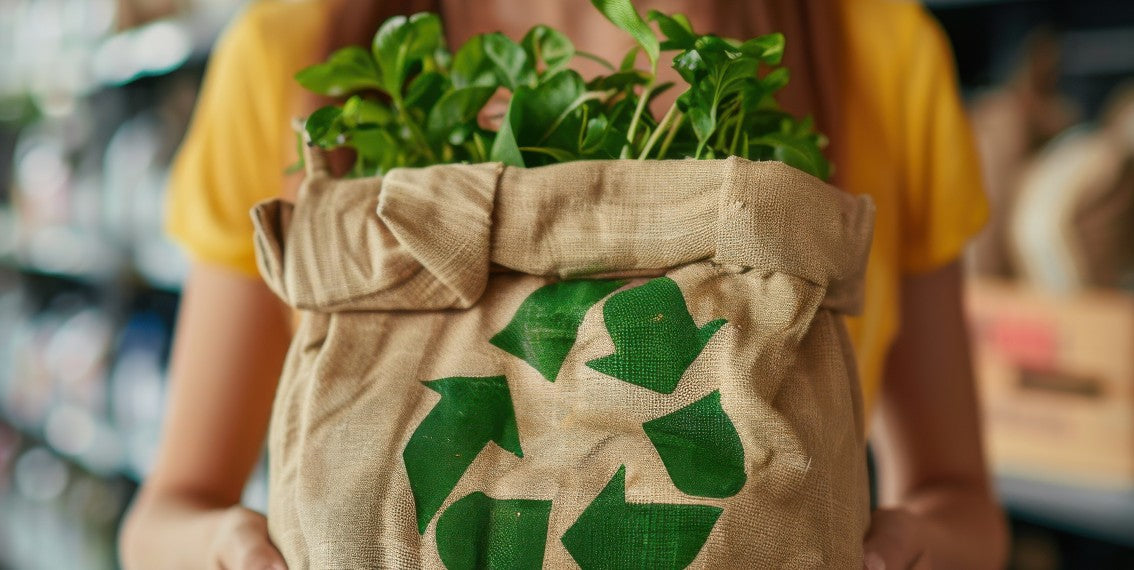
Plan to use reusable packaging when shopping (reusable bags, food nets, glass containers, etc.)
-
Limit food waste: cook leftovers, freeze excess food, consume your dairy products even after the expiration date...
-
Instead of buying plastic bottles, drink tap water, preferably filtered, and carry a stainless steel water bottle.
-
Reject ads in mailbox
- Compost your organic waste to make fertilizer for your plants and vegetable garden.

3. Buy less but better
The concept of "less but better" is at the heart of responsible consumption. It's all about prioritizing quality over quantity, investing in sustainable products, and reducing waste. Here's how you can achieve this:
-
Invest in durable products: Choose high-quality, long-lasting items, even if they're initially more expensive. This reduces the frequency of replacements.
-
Avoid food waste: Plan your meals, use up leftovers and pay attention to the expiration dates of your products to reduce food waste.
- Choose foods from organic farms and ranches. Look for labels that guarantee more environmentally friendly production methods. These products, while perhaps more expensive, will also be of better quality and taste, and you'll enjoy them more, even if it means consuming them in more reasonable amounts.

4. Recycle, repair!
Repairing and recycling are important aspects of responsible consumption. Instead of throwing things away and buying new ones, consider repairing or recycling your items. Here's why:
-
Waste Reduction: Repair and recycling help reduce the amount of waste sent to landfills.
-
Save money: Repairing an existing product is often cheaper than buying a new one.
- Promoting a circular economy: By repairing and recycling, you help create a more sustainable, circular economy.
At CRISTEL, you can bring your non-stick pan back to life by choosing vulcanization services . For a lower cost (about a third of the new purchase price), you'll get identical cookware with a completely refurbished new coating in exchange for your old CRISTEL product.
5. Support companies that are committed to the environment
Finally, as a Consumer-Actor, you can choose to actively support companies that share your environmental values. Here's how to do it:
-
Look for environmental certifications and labels: Many companies are committed to displaying certifications such as "Bio," "Fair Trade," or other sustainability labels. CRISTEL is certified as such. "Mission-Oriented Company" .
-
Learn about company practices: Do research to learn more about the environmental policies, production practices, and social commitments of the companies you support.
- Share your values: Share your choices and discoveries with your network to encourage others to support responsible businesses.
In conclusion, becoming a Consom'acteur is a powerful way to contribute to protecting the environment, supporting local economies, and promoting a more responsible lifestyle. By following these five tips: prioritizing French and local manufacturing, consuming fresh and plant-based products, buying less but better, recycling and repairing, and supporting environmentally committed companies, you can make a real difference in your daily life and contribute to a more sustainable future for all.